
Finish rate this year was 33%. If you’re looking for a challenging hundred, look no further.

I enjoyed myself so much last year, that I just had to come back. This is a small, intimate race and the very definition of an old school ultra. The course layout is two small loops that are each about 16-17 miles. The 100 mile race is three of these double loops or six loops total. Each loop goes up and over a ski slope at Greek Peak with the outgoing section a longer, less steep uphill with the inbound being a straight up climb to heaven. All of the aid stations are crew accessible so you’re never more than 4-6 miles from crew, which can be both a blessing and a curse. Blessing in that you’re never too far from a familiar face. Curse in that the convenience to quit (i.e. opportunity to get in your car and go home) is sky high. My wife was more spectating than crewing for me and I only saw her after the first and third laps before the finish, which was fine.

The temps were perfect this year. It got a little warm during the afternoons, however never to hot. I was mildly worried about the overnight rain forecast heading into the race. There was a 30%+ chance for rain from 8pm through the next morning. In reality, a very light sprinkle started up about 8pm and intensified to an exceptionally light rain about 2am when it then stopped. The trails got a mildly damp, but not very muddy. I never gave a thought to pulling out my rain jacket so the precipitation was more pleasant than anything else.
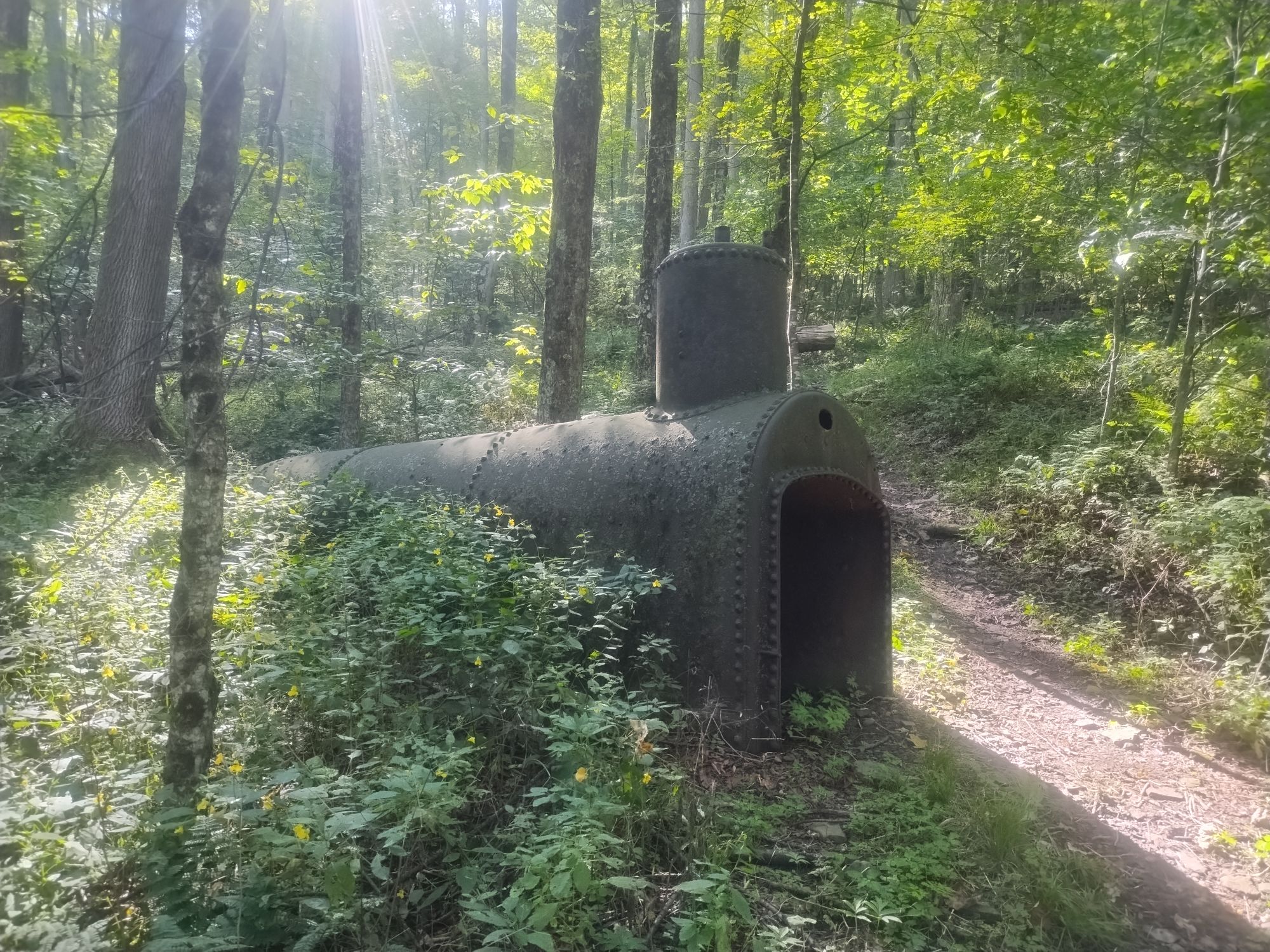
And pleasant ends up being a pretty good way for me to describe my overall race. Which is an awful way to describe a hundred mile race from a race report standpoint. A good recounting typically includes lots of drama, problems that were overcome, and amusing anecdotes. Unfortunately for you my dear reader (but fortunately for me), that wasn’t my Virgil Crest experience this year. I do have a couple thoughts coming out of the race though.
- Weekly training mileage matters
- In-race nutrition is priority #1
- Hundreds are less about fitness than managing all the little problems that come up
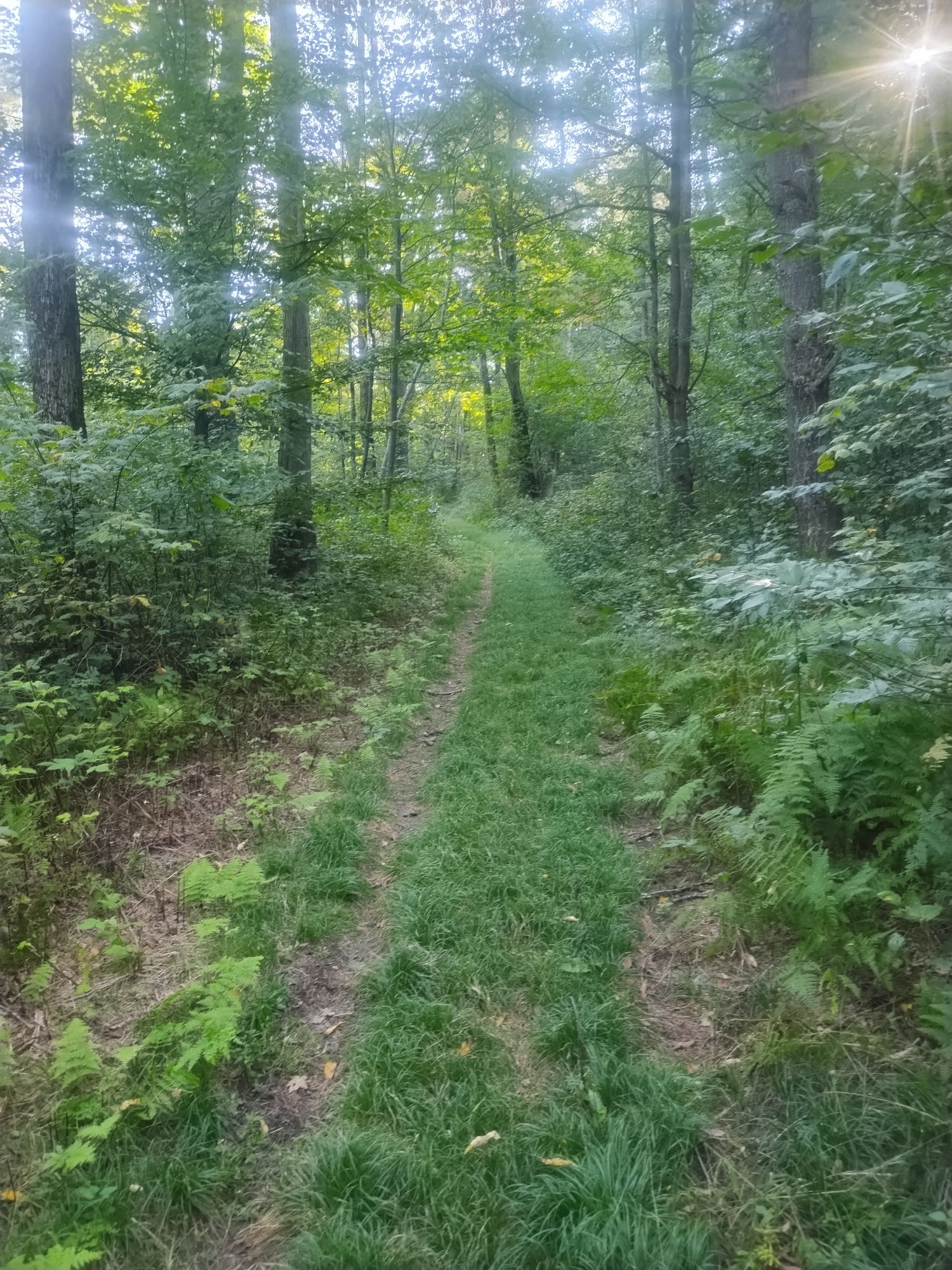
Weekly training mileage matters. My time this year ended up being about 2.5 hours slower than last year. While it’s a fact that I’m a year older, the weather should have resulted in a faster time. The issue is that my weekly mileage is down quite a bit from 2025 due to my race schedule. I’ve only been logging mid-30s weeks between races since April when last year I was consistently in the high-40s with three weeks over 70 miles. I have a massive endurance base at this point, however low weekly mileage is definitely an issue for me. You can 100% finish hundreds on relatively low mileage plans, however this definitely slots into the “Do as I say, not as I do” category.

Solid nutrition FTW. I felt amazing for the entire run, which I attribute to a better than average job with nutrition throughout the race. I was able to consume a bit more than normal for myself until mid-morning and then stayed consistent throughout the rest of the race outside of three miles during the afternoon where I layed off the calories to keep my stomach happy. I always prioritize hydration over calories as you can’t take in calories if you’re dehydrated, however you can move down the trail without calories as long as you’re good with fluids. Now you definitely will not move as fast as you would with calories, however it’s better than dealing with stomach distress for hours and hours on end. I think people get too fixated on forcing down X carbs or calories per hour regardless of how they feel and whether their body can process that. I race by the mantra “feel good to move good”. I focus on taking action to feel good over necessarily what might theoretically be best for moving faster. Better to eke along than blow up.
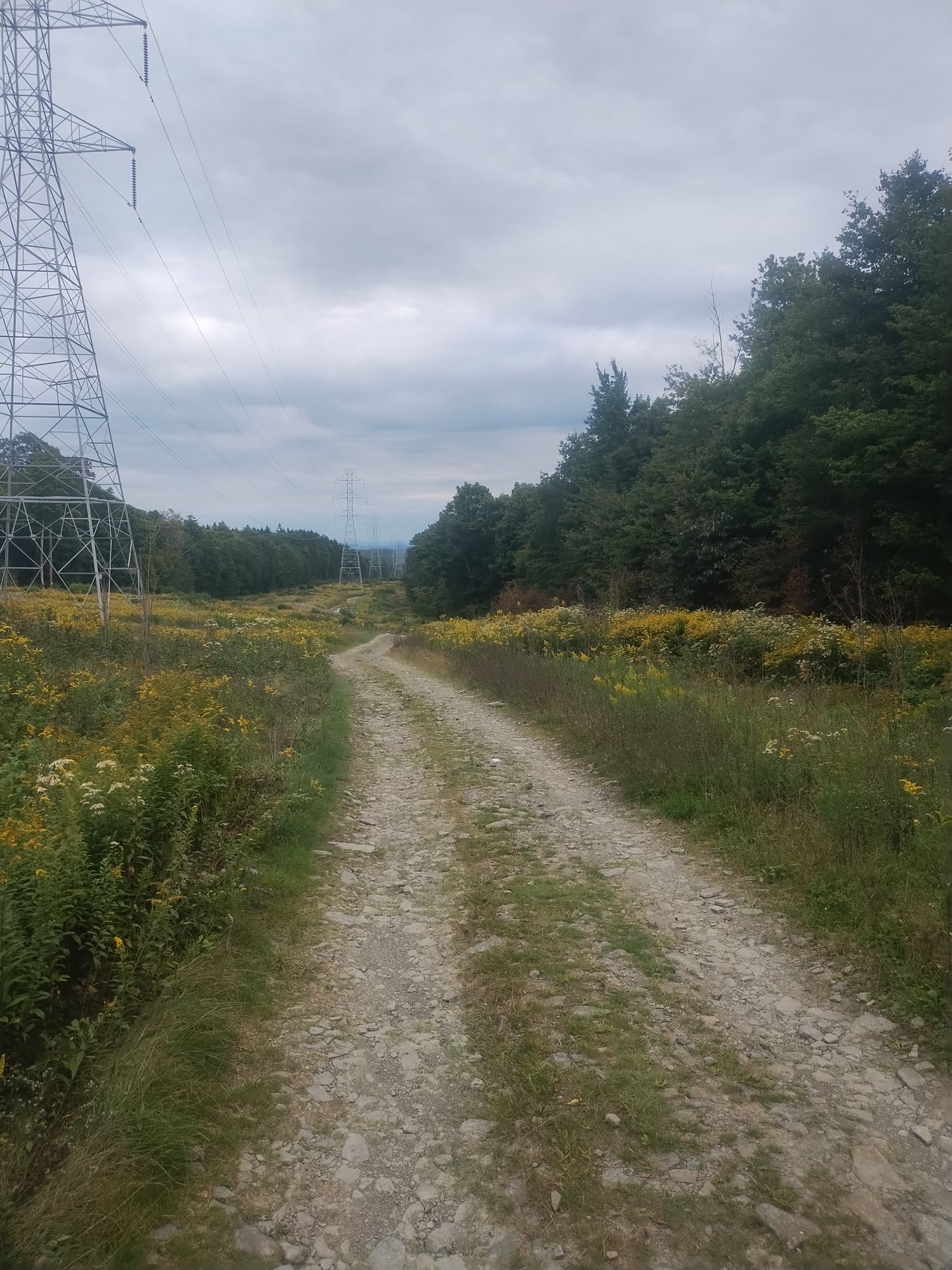
Hundreds are more a problem solving exercise than a fitness test. Now I’m not saying fitness doesn’t matter. There’s a base level of fitness that you need to toe a start line (if you’re smart). What I’m saying is that finishing a hundred is more about successfully addressing all the little things that come up rather than muscle fatigue/failure. A very short list would include nutrition, hydration, electrolytes, chafing, navigation, and random technical failures (watch, headlamp, etc.). Then there’s the secondary knock-on effect these things have on your mental state. This is what normally causes a DNF as many more runners quit rather than get timed out on the course. Starting out I realized I could deal with one issue at a time without too many difficulties. It was when issues started compounding that I was at a high risk of quitting. So weak knee was fine as long as nasty blisters didn’t pop up as well. Dealing with blisters where fine, however not if I’m also not able to eat anything. And three things? Forgetaboutit. So the focus should be on mitigating any issue as soon as possible so that the next issue doesn’t take you out.
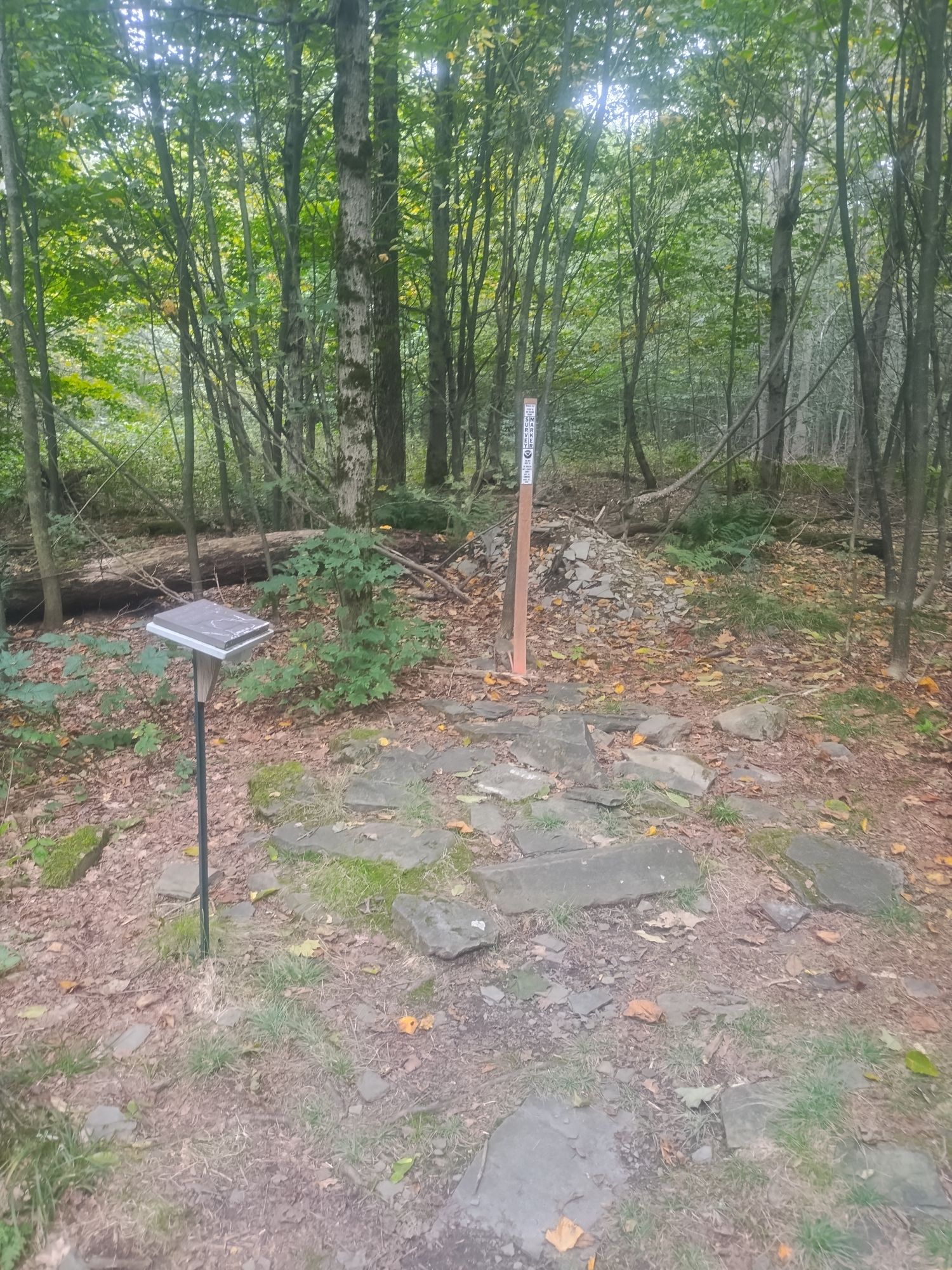
Hopefully your next race is equally drama free!